
Aktuelles ·
Video: Robert and the CYBERDYNE Exoskeleton at ADELI
#neurorehabilitation #exoskeleton #headinjury #traumaticbraininjury #concussion #cyberdyne #Cybertherapy
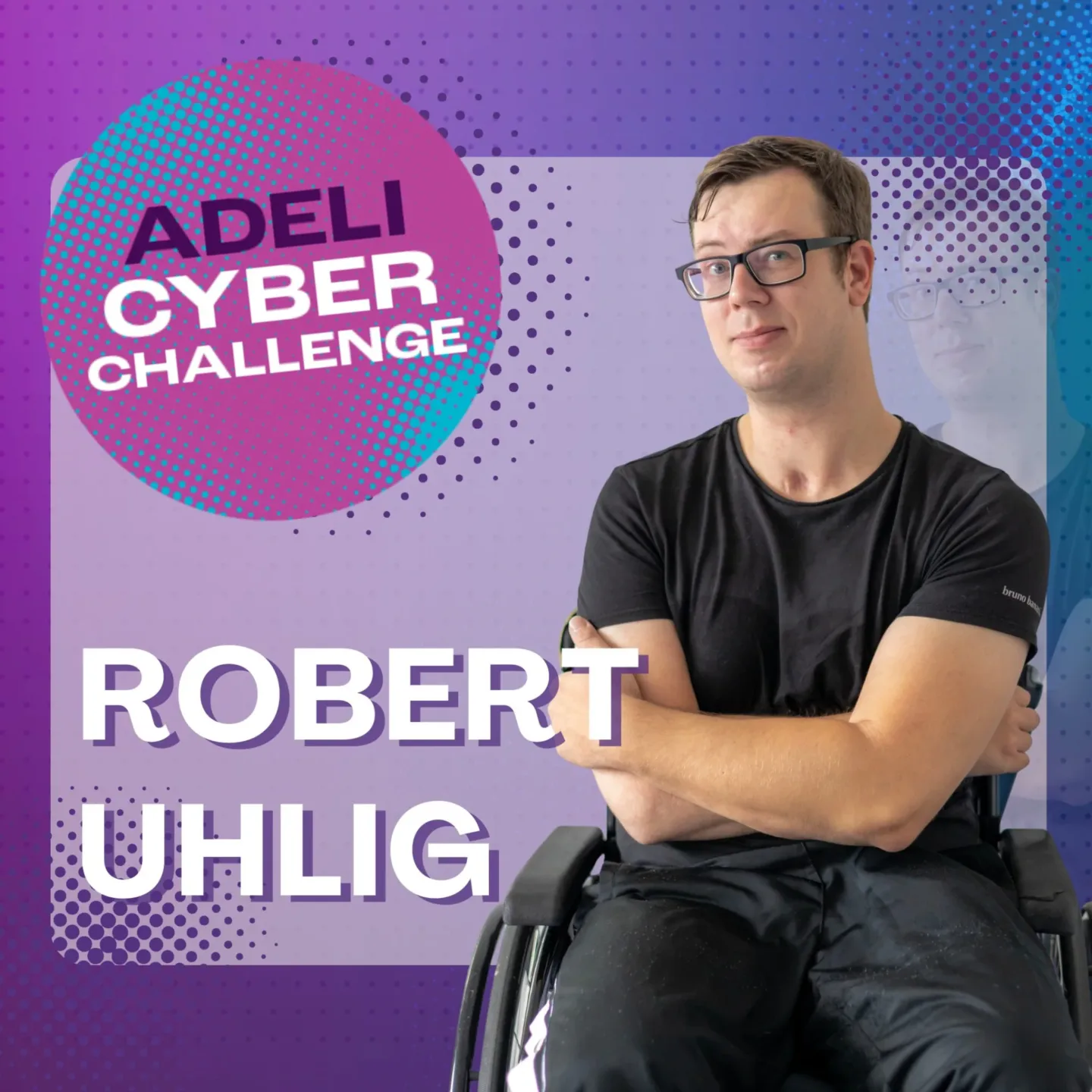
“At ADELI, we found an entire team of excellent therapists, which is truly very rare,” explains father Michael, describing why the family has chosen ADELI Medical Center for extended rehabilitation stays for years.
In a severe traffic accident in 2016, Robert suffered a massive brain injury and spent a long time in a coma. During this phase, his parents Olga and Michael, along with his wife Svenja, became his voice, his emotional anchor, and the vital ambassadors of his personality. Even though the doctors could offer no clear prognosis regarding Robert’s condition, his family closely monitored every new phase of improvement. The results were not always immediately visible. Yet, just as Robert woke from his coma one day, he later began to speak again and even remembered minor details of his accident…
A core principle of neurorehabilitation is the ability of the brain and central nervous system to adapt after injury, and to rebuild and reorganize neural pathways. For seven years, Robert has also been undergoing rehabilitation at ADELI Medical Center in Piešťany. This has helped strengthen his muscles, improve his walking, and enhance his overall stability. Even years after an injury, neural pathways remain adaptable. Fostering neuroplasticity every day is essential for patients with spastic hemiparesis. Following a severe traumatic brain injury, the central nervous system is compromised, many connections are disrupted, and plasticity must be reactivated through targeted training.
The therapeutic intervention at ADELI Medical Center consists of comprehensive rehabilitation measures—a well-structured therapy plan that combines an individually tailored variety of approaches, such as neurophysiotherapy, occupational therapy, manual therapy, and speech and cognitive training, alongside relaxation techniques. The goal is to provide the brain with as many opportunities as possible to rebuild neural networks, ensuring no potential goes untapped. In short:
It is all about coordinating rehabilitation in both timing and content to maximize the brain's natural capacity to learn and adapt. It is important to emphasize that Robert’s father, Michael, played a decisive role in helping Robert get back on his feet by staying tirelessly dedicated and taking his son to daily training. His mother served brilliantly as a coach and motivational speaker, guided by the conviction that meaningful progress comes through proactive effort. “We celebrated constantly,” says mother Olga, describing the family’s mindset. Every milestone, every improvement was acknowledged and celebrated. The dedication of the entire team of doctors and therapists in the Slovak spa town of Piešťany deserves special mention.
This year brought a special challenge for Robert: trying out the CYBERDYNE exoskeleton. The aim is to ensure a correct gait pattern, reminding the brain of earlier movement patterns and enabling it to regain greater control. Robert lives with spastic hemiparesis on the right side of his body. Several hours of daily training are necessary to counteract spasticity and muscle tightness. Father Michael says: “The accident brought the family even closer together.” In addition, the parents have set up a website where they document Robert’s accident and his journey back to life, connecting with other family caregivers to provide them with both shared experience and practical knowledge. Robert’s story shows what is possible when extraordinary dedication and focus are channeled into recovery.
Playing this video establishes a connection to YouTube (Google) and data will be transmitted. Learn more