
Aktuelles ·
MUDr. Oríšek, ADELI’s Paediatric Neurologist, Guest on TV Show
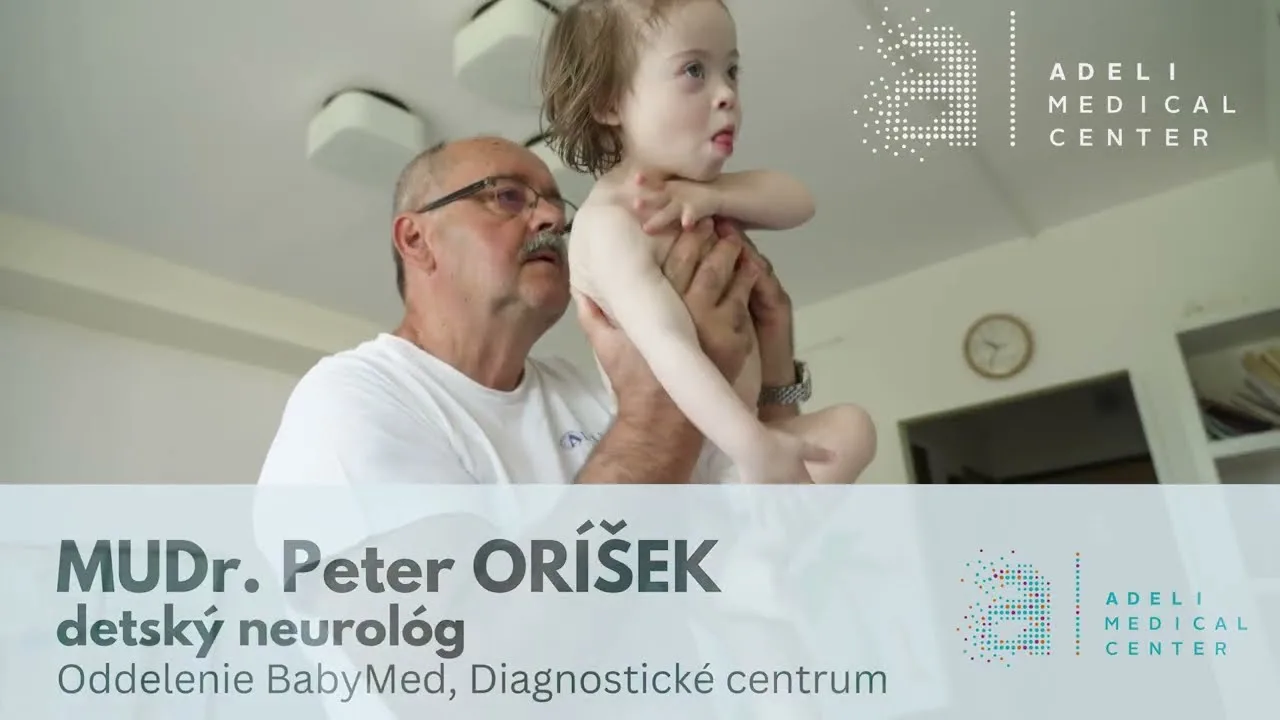
🔵 How do neurological disorders manifest? 🔵 How are these disorders detected? 🔵 How do neurological disorders manifest? 🔵 How do these children develop – and can they be prevented? 🔵 What treatment options are available? MUDr. Oríšek, paediatric neurologist at ADELI Medical Center, was invited as a guest on the Slovak television programme DÁMSKY KLUB. He explained how neurological disorders can affect a child's brain, spinal cord, or nerves.

MUDr. Oríšek, paediatric neurologist at ADELI Medical Center, was invited as a guest on the Slovak television programme DÁMSKY KLUB. He explained how neurological disorders can affect a child's brain, spinal cord, or nerves, and that they may be present at birth or even develop during pregnancy.
He emphasised that the brain development of the unborn child is influenced by various factors, such as family genetic conditions, harmful external influences like radiation, chemicals, or infections, among others.
Even if a pregnancy is classified as high-risk, this does not automatically mean damage to the child's brain. However, it is essential to monitor the child closely in such cases.
Dr. Oríšek pointed out that complications during birth can also cause neurological disorders. Risk factors include:
-
Oxygen deprivation during birth,
-
premature birth – as the child's brain is not yet fully developed,
-
a low Apgar score or the need for artificial respiration,
-
and elevated bilirubin levels (jaundice), which, if left untreated, can cause brain damage.
Risks can also arise after birth. Infections or injuries in early childhood can affect the brain.
In addition, some children suffer from metabolic disorders. These can manifest, for example, as difficulties with sleeping, feeding, or through noticeable behavioural patterns.
Dr. Oríšek described typical signs:
-
Movement disorders such as cerebral palsy,
-
muscle tone abnormalities: some children are too stiff (hypertonia), too floppy (hypotonia), or show alternating patterns of both,
-
unusual or repetitive movements,
-
and complex developmental delays – such as in combination with visual, hearing, or organ-related issues.
According to Dr. Oríšek, early diagnosis is crucial. The earlier a problem is identified, the greater the chances of improvement.
During a neurological examination, the specialist observes:
-
the child's movements, muscle tone, reflexes, and behaviour.
In addition, modern diagnostic methods are used – such as MRI, EEG, or genetic testing.
Therapy depends on the type and severity of the disorder. Treatment options include physiotherapy or specialized neurorehabilitation. The development of an affected child depends on the severity of the neurological condition, the timing of when treatment begins, and the support provided by parents and specialists.
Not all neurological disorders can be prevented. However, through high-quality prenatal care and early diagnosis, many issues can be prevented or their impact significantly reduced through intensive therapy. Learn more at: www.adelicenter.com
Playing this video establishes a connection to YouTube (Google) and data will be transmitted. Learn more