
Cerebral Palsy
Cerebral palsy is a condition caused by brain damage that leads to impairments in movement, coordination, and muscle control.
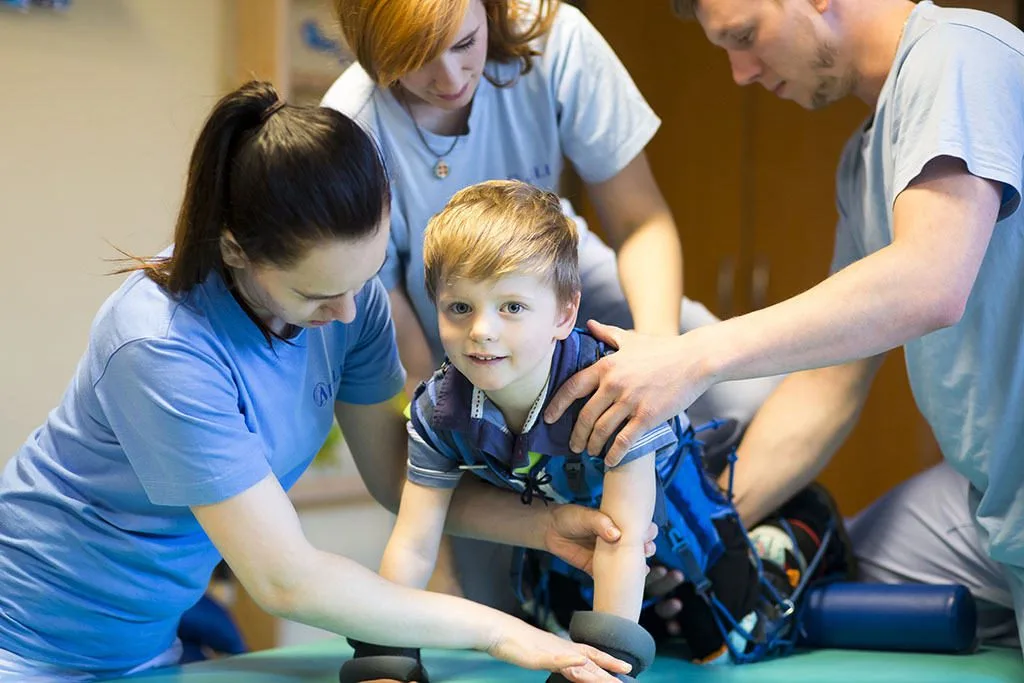
Cerebral palsy is a condition caused by brain damage that leads to impairments in movement, coordination, and muscle control. The following five early detection methods for cerebral palsy can help identify the condition at an early stage:
- Developmental screenings: Regular developmental check-ups in infants and young children can help identify early signs of cerebral palsy. The doctor will monitor key milestones such as rolling over, sitting, crawling, and walking.
- Brain imaging: An MRI scan of the brain can reveal changes that indicate cerebral palsy. Such an examination can also help identify the underlying cause of the condition.
- Neurological examinations: A thorough neurological examination can help detect signs of cerebral palsy. The doctor will look for symptoms such as muscle stiffness, tremors, and involuntary movements.
- Blood tests: Certain metabolic disorders or infections can increase the risk of cerebral palsy. Blood tests can help detect and treat these conditions early on.
- Observation of movement patterns: Observing movement patterns can help identify signs of cerebral palsy. For instance, the doctor may assess how the child grasps, walks, or moves to detect possible signs of the condition.
These early detection methods can help ensure that cerebral palsy is diagnosed at an early stage. Early diagnosis and treatment can help slow the progression of the condition and significantly improve the quality of life for those affected.
Treatment options for cerebral palsy at ADELI Medical Center
ADELI Medical Center offers a wide range of tailored rehabilitation therapies for patients with neurological impairments such as cerebral palsy. The following treatments are particularly beneficial for patients with cerebral palsy:
- Physiotherapy: Physiotherapy focuses on enhancing motor skills and balance to promote mobility. For patients with cerebral palsy, specialized exercises can be designed to improve muscle strength and flexibility.
- Occupational therapy: Occupational therapy focuses on developing skills needed for daily activities to foster independence. Patients with cerebral palsy can learn specialized techniques to improve fine motor skills and hand-eye coordination.
- Reflex therapy: Reflex therapy aims to stimulate the nervous system to improve motor function. It can be particularly beneficial for patients with cerebral palsy by enhancing muscle control and coordination.
- Omi Vista sensorimotor interactive therapy: Omi Vista sensorimotor interactive therapy uses a computer-assisted system to enhance motor skills. It can benefit patients with cerebral palsy by improving posture and balance.
- Speech and language therapy: Speech therapy focuses on improving communication skills. Patients with cerebral palsy can learn targeted techniques to enhance speech development and articulation.
The treatments listed above are just a few of the many tailored rehabilitation therapies that ADELI Medical Center offers for patients with cerebral palsy. The multidisciplinary medical team at the center works closely with patients and their families to develop an individualized treatment plan tailored to the specific needs of each patient.