
Aktuelles ·
New at ADELI: Rhythm strengthens gait – and so much more
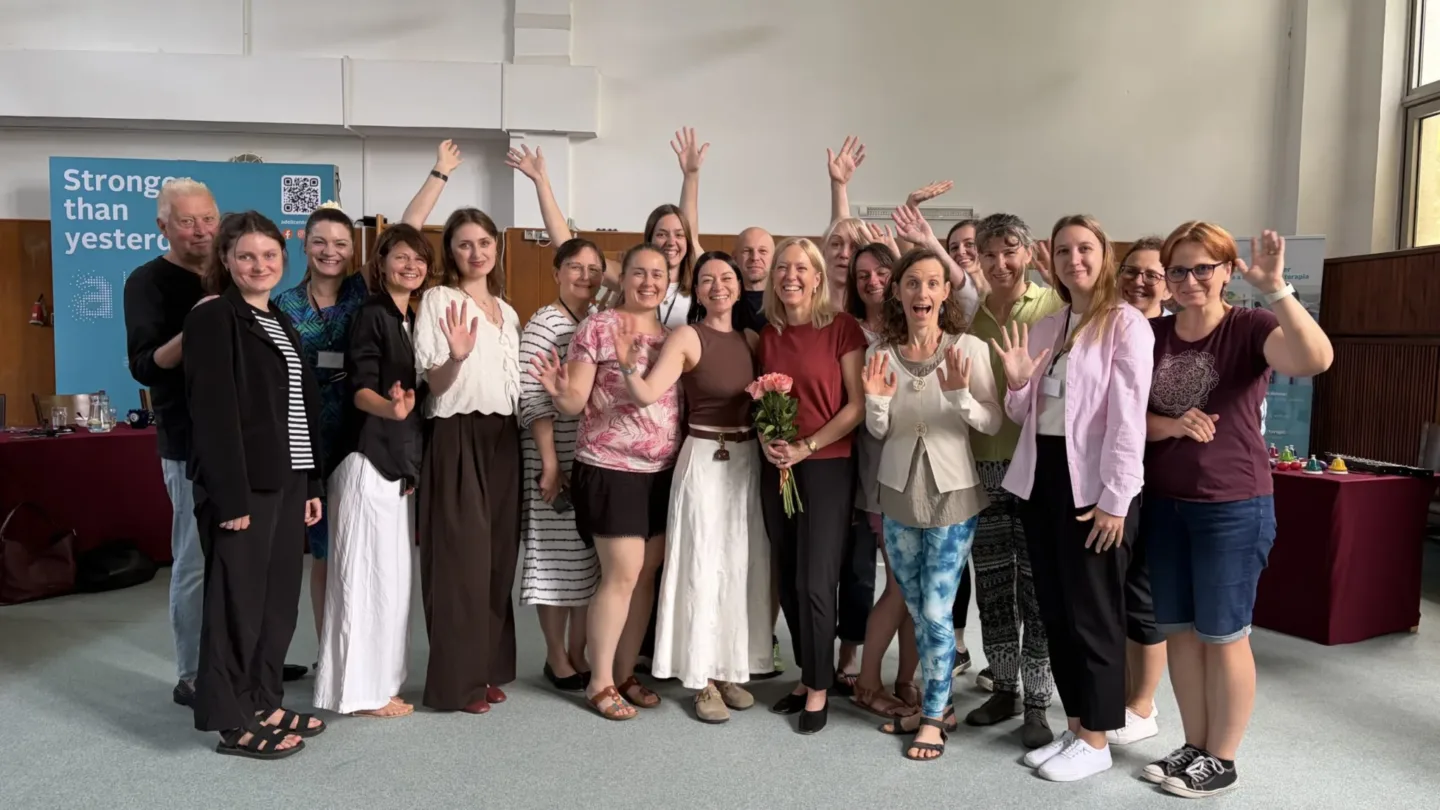
Research shows that rhythmic and musical stimuli can specifically stimulate the neural networks in the brain responsible for movement and speech. An international seminar on Neurological Music Therapy (NMT™) recently took place at ADELI Medical Center, bringing together 27 professionals from 8 countries!
Yes, music can actively help improve movement and speech. This is neither romantic idealism nor wishful thinking. Neurological Music Therapy (NMT™) offers a fresh perspective on how our brain works. It bridges music, neuroscience, and modern rehabilitation, all grounded in evidence-based research.
Like any demanding therapeutic method, it requires thorough, high-level training. Theoretical foundations, scientific insights, and practical work with clinical case studies form the bedrock of a responsible and targeted application in everyday practice.
Prof. Dr. Michael H. Thaut and Dr. Corene P. Hurt-Thaut from Canada, globally renowned experts in the field of Neurological Music Therapy, led the internationally certified NMT™ seminar at ADELI Medical Center. Among the participants were specialists from the USA, Croatia, and Belgium, including special education teachers, a psychologist, music therapists, speech and language therapists, educators, as well as students from various disciplines…
Over several seminar days, participants gained theoretical knowledge and hands-on experience with standardized NMT™ techniques for the rehabilitation of individuals with neurological conditions. These include patients recovering from a stroke, people living with Parkinson's disease, traumatic brain injuries, multiple sclerosis… in other words, individuals facing impairments in communication and motor skills.
Translating scientific discoveries directly into therapeutic practice is an invaluable experience for therapists – and a tangible benefit for patients.
“We hope to plant a seed of interest in this field. And we hope it continues to grow for the benefit of the patients,” shared the warm and engaging German-born Canadian, Prof. Michael H. Thaut, during his visit to ADELI Medical Center last year.
For Regina Davletbaeva, music therapist at ADELI Medical Center, the advanced training also opened up valuable new perspectives on the clinical application of music. “These new insights are already enriching my daily therapeutic work and, above all, bringing tangible benefits to our patients,” she explains. Regina found the use of a metronome in music therapy practice particularly compelling. According to her observations, the steady rhythm genuinely fosters conscious movement perception, motor planning, and consequently the fluidity and consistency of movement execution. By applying these new techniques, she was able to help a patient achieve a noticeably smoother, more balanced gait.
Following his second visit to ADELI Medical Center, Prof. Thaut was once again deeply impressed by the unique character of the facility. He described ADELI as a “medical resort” where high professional standards harmonize with a warm, caring environment. This atmosphere contributes significantly to patients' well-being and ensures a positive, uplifting experience after intensive neurorehabilitation sessions.
Such trust serves as wonderful recognition for the interdisciplinary team at ADELI – and as continuous motivation to advance our high standards of quality neurorehabilitation every single day.